Installing a Modular Backyard Studio in the US: What Every Homeowner Needs to Know
Walk through almost any suburban neighborhood in California, Texas, Washington, or Florida right now, and you’ll notice a quiet revolution happening behind the fence lines. Homeowners are no longer waiting 9 to 12 months for messy, noisy, traditional stick-built construction just to gain an extra room.
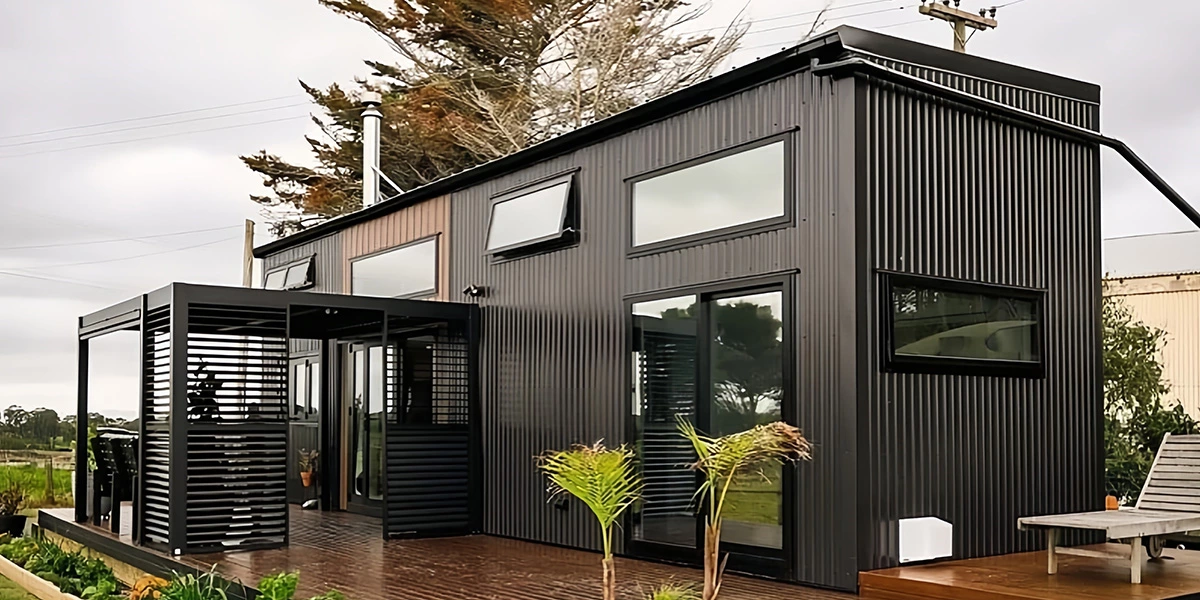
Instead, prefabricated modular studios—often called backyard office pods or detached ADUs (Accessory Dwelling Units)—have become the gold standard for adding space fast.
Whether you need a dedicated, quiet home office, a creative music/art retreat, or an income-generating Airbnb guest suite, an engineered modular unit gets the job done in a fraction of the time.
However, watching an installation time-lapse on Instagram makes the process look deceptively simple: truck pulls up, crane swings in, you plug in your laptop, done.
In the real world, installing a backyard modular structure in the United States involves local zoning boards, utility hookups, ground preparation, and logistical coordination.
To help you avoid costly headaches, surprise municipal fines, or project delays, here is the honest, step-by-step breakdown of how installing a modular backyard studio actually works from start to finish.
Step 1: Navigating Zoning, HOA Rules, and Building Permits
Before you browse floor plans or put down a deposit on a modular unit, you need to know what your local municipality allows you to put on your property.
In the US, backyard structures generally fall into two legal categories:
1. Non-Habitable Accessory Structures (The "Exempt Shed" Rule)
If your studio is purely an office or workshop with no kitchen, no sleeping quarters, and no attached bathroom, many jurisdictions allow you to build without a full residential permit—provided it stays under a specific square footage threshold:
-
In many US counties, detached structures under 120 sq. ft. (e.g., a 10×12 ft office pod) or 200 sq. ft. do not require a standard building permit.
-
Catch: Even if you don't need a building permit, you almost certainly still need to comply with property setbacks (usually keeping the unit 3 to 5 feet away from your side and rear property lines) and local height caps.

2. Habitable Space / ADUs (Accessory Dwelling Units)
If your modular studio includes a bathroom, a kitchenette, or a daybed where someone could sleep, local building departments treat it as a dwelling unit governed by the International Residential Code (IRC).
-
The Good News: States like California, Oregon, Washington, and Maine have passed aggressive ADU-friendly legislation that drastically cuts red tape, exempts small units from impact fees, and strips away local city veto power.
-
HOA Rules: If your home belongs to a Homeowners Association (HOA), review your CC&Rs (Covenants, Conditions, and Restrictions). While some state laws now restrict HOAs from outright banning ADUs, they can still impose design guidelines regarding roof pitch, siding color, and visible exterior finishes.
Step 2: Site Feasibility and Logistics Planning (The Delivery Route)
One of the most overlooked parts of buying a prefab structure is simple physics: how does the building physically get from the delivery truck into your backyard?
Suburban US yards are rarely flat, wide-open pastures. You likely have property fences, mature trees, sprinkler systems, and overhead power lines.
Forklift / Ground Roll-In vs. Crane Pick
-
Direct Access: If you have an RV gate with at least 10–12 feet of clear width and no low-hanging utility wires, a compact modular unit or flat-pack container can sometimes be rolled in using specialized machinery or heavy-duty forklifts.
-
Crane Placement (Most Common): In dense suburban neighborhoods with narrow 4-foot side walkways, a crane is almost always required. A mobile crane parks on the street or in your driveway, extends its boom over your existing two-story roof, and lowers the studio directly onto the prepared foundation.
Checklist before ordering:
-
Are there municipal or private overhead utility lines along the street or over your fence?
-
Will the crane company require a temporary street obstruction permit from your city public works department?
-
Can the street handle a heavy flatbed freight truck without blocking through-traffic?
Step 3: Soil Preparation and Choosing the Right Foundation
A modular building is only as solid as the ground beneath it. Placing a heavy steel-frame or timber-frame structure directly on uncompacted dirt or grass will lead to uneven settling, sticking doors, and cracked drywall over time.
Depending on your local soil composition, frost line depths, and budget, you will choose one of three common foundation types:
| Foundation Type | Best Suited For | Typical Cost (US) | Pros & Cons |
| Gravel Pad with Skid Base | Small office pods (<150 sq. ft.) in warm climates | $1,200 – $2,500 | Inexpensive and fast; not suitable for permanent plumbing or freezing soils. |
| Concrete Piers / Sonotubes | Sloped yards; medium-to-large studios | $2,500 – $5,000 | Excellent drainage, minimal site excavation, adjustable for unlevel yards. |
| Monolithic Concrete Slab | Permanent ADUs with full plumbing & sewer | $5,000 – $9,000+ | Maximum durability and thermal mass; requires extensive site trenching upfront. |
| Helical Screw Piles | Difficult access, high water tables, minimal ground disturbance | $3,000 – $6,000 | Installed in hours without concrete drying time; excellent bearing capacity. |
Note for Cold Climates: If you live in regions with deep winter freezes (such as the Midwest or Northeast), foundation footings must extend below your local frost line (often 36 to 48 inches deep) to prevent winter frost heave from tilting the studio.

Step 4: Rigging, Placement, and Shell Assembly
Once the foundation curing or pile installation is verified, delivery day arrives.
Depending on whether you purchased a fully assembled volumetric pod or an engineered expandable unit (like those built by UVO), the setup varies:
-
Rigging and Lifting: Professional riggers secure lifting straps to designated corner castings or lifting lugs. The unit is smoothly guided into place using tag lines to prevent spinning in high winds.
-
Anchor Bolting: The chassis is leveled using shims and bolted securely into the concrete footers or helical brackets to meet local wind load standards.
-
Wing Expansion / Shell Sealing: For expandable modular units, the side sections unfold mechanically. Wall connections are bolted from the inside, and weather-resistant membranes, exterior flashing, and corner trims are installed to ensure an airtight, watertight thermal envelope.
With factory-engineered modular systems, this entire physical structural assembly typically takes just 1 to 2 days, compared to weeks of framing on a standard stick-built jobsite.
Step 5: Utility Trenching, MEP Hookups, and Final Sign-Off
With the physical structure locked down, it’s time to bring your studio to life with electricity, internet, and climate control.
1. Electrical Connections (Subpanel vs. Dedicated Line)
A standard dedicated backyard office needs reliable power for computers, monitors, interior lighting, and climate control.
-
Most setups require a licensed electrician to run a conduit trench from your main house panel to a 50-amp to 100-amp secondary subpanel installed inside the studio.
-
Don’t forget internet: While mesh Wi-Fi works for some, burying a shielded Cat6 Ethernet cable or running a direct conduit alongside your power line guarantees stable, zero-latency connections for remote work.
2. Heating & Cooling (The Ductless Mini-Split)
Modular studios are compact, highly insulated spaces. Traditional central HVAC isn't practical. Instead, the gold standard in the US is a ductless mini-split heat pump system. They are whisper-quiet, incredibly energy-efficient, and provide both crisp AC during humid summers and efficient heating during freezing winters.
3. Plumbing (If Applicable)
If your unit includes a bathroom or kitchenette, a trench must be dug below the frost line connecting to your home’s main water supply line and primary sewer lateral. Depending on elevation, this may require gravity drainage or a grinder pump.
4. Final City Inspection
If your project required a building permit, your local building inspector will perform a final walk-through to check electrical grounding, smoke/CO detectors, emergency egress window clearances, and energy compliance before issuing your official Certificate of Occupancy (CO).
Frequently Asked Questions (FAQ)
Q: How long does the entire installation process take?
While the physical placement and assembly of the prefab unit on-site takes just 1 to 3 days, the overall timeline—including permit approvals, foundation pouring, and utility trenching—typically takes between 4 to 8 weeks depending on your local building department's turnaround time.
Q: Does a backyard modular studio add real value to my home?
Yes. According to US real estate data, adding permitted square footage to a single-family property can yield an immediate ROI of 60% to 100% of project costs upon appraisal, while detached offices and permitted ADUs represent one of the most in-demand features for modern home buyers.
Q: Can I install a modular studio on an uneven or sloped yard?
Absolutely. Concrete sonotube piers or adjustable steel helical piles allow installers to level the structure perfectly without the expense and environmental damage of excavating and grading your entire lawn.
Make Your Backyard Addition Seamless with UVO Prefab
Adding functional space to your property shouldn’t feel like a chaotic, multi-month construction nightmare.
At UVO Prefab House, we design and manufacture precision-engineered modular studios, expandable container homes, and modern backyard pods built with robust structural steel framing, superior thermal insulation, and strict architectural tolerances. We provide the detailed structural engineering data, loading specs, and technical drawings your local contractors and certifiers need to get your project approved and installed with zero guesswork.
Ready to unlock the full potential of your backyard?
👉 [Explore Our Modular Studio & Backyard Pod Lineup Here] or contact our technical team today to discuss dimensions, foundation compatibility, and delivery logistics for your US property.