Pod House vs. Tiny House: Which is the Best Investment for resorts in 2026?
The Rise of “Light Vacation” Stays: Why Design Now Drives Profit
In 2026, the short-term rental market on platforms like Airbnb and Booking.com is no longer just about location—it’s about experience-driven design. Travelers are increasingly drawn to “light vacation” stays: short, immersive escapes that feel unique, photogenic, and memorable.
This shift has created a new pricing dynamic: distinctive architecture commands a premium. Properties that stand out visually are more likely to:
- Go viral on social media
- Achieve higher occupancy rates
- Charge 20–50% higher nightly rates
In this context, the debate between Pod Houses and Tiny Houses is no longer about size—it’s about return on investment (ROI).
Unique Aesthetic: When Design Becomes Your Marketing Engine
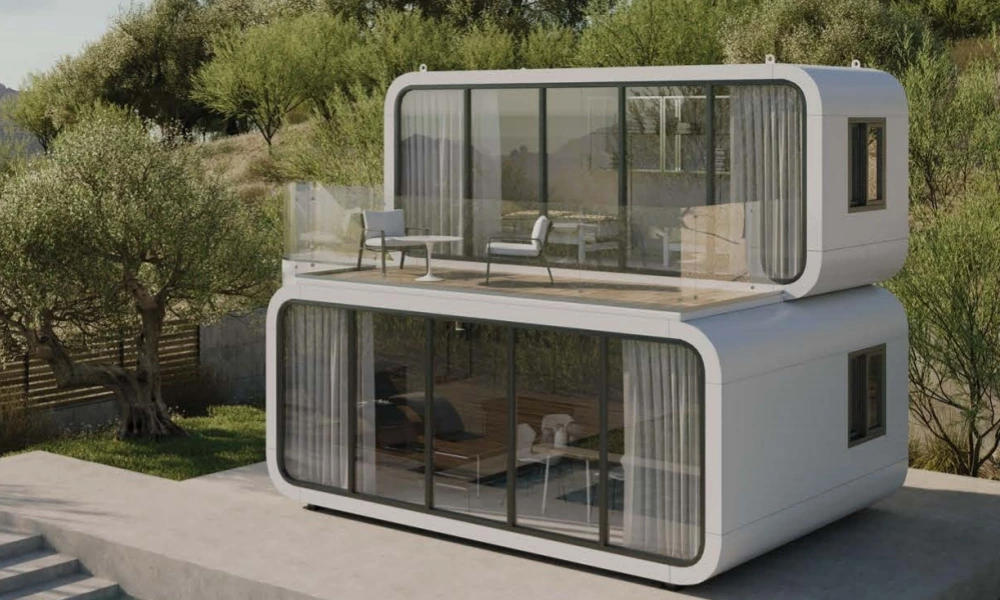
Pod House Apple Cabin Style
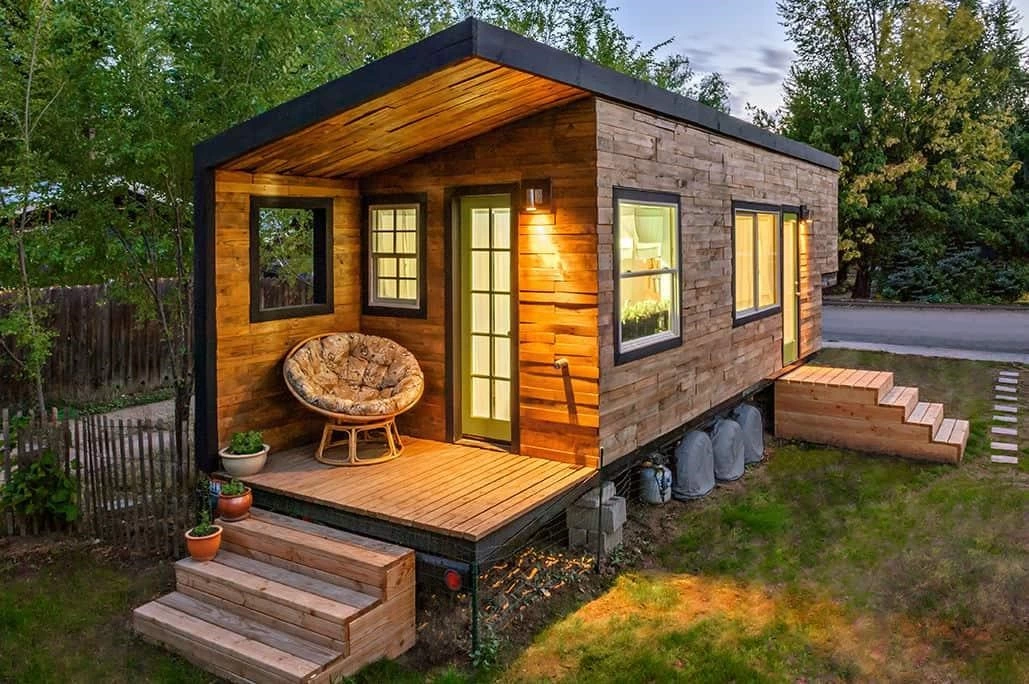
Tiny House (Traditional Style)
The biggest differentiator is simple: attention.
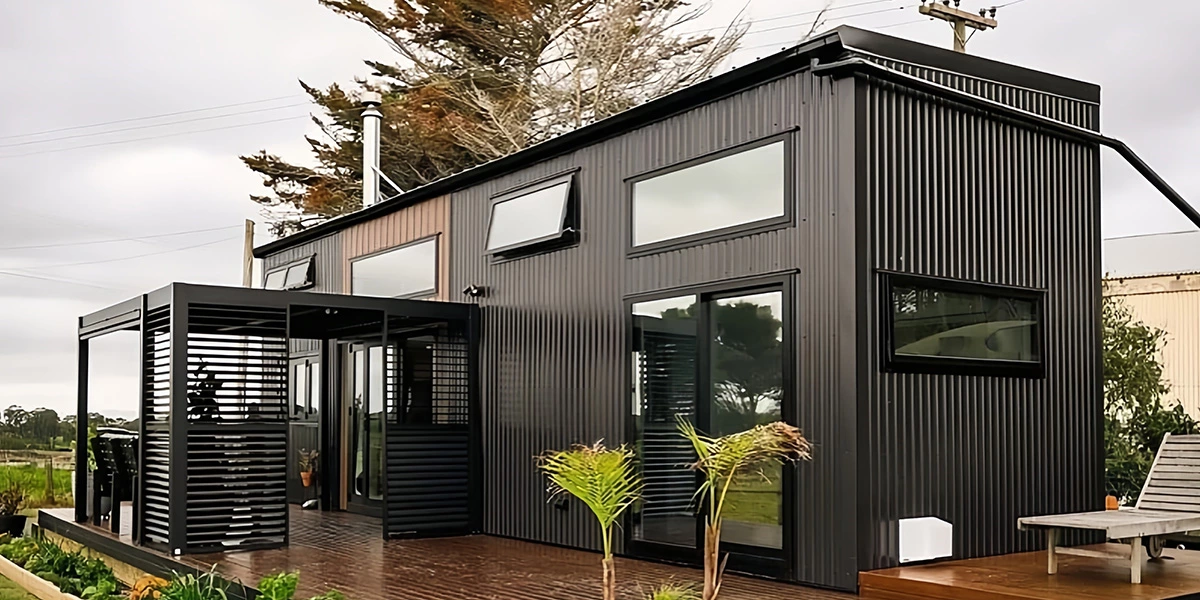
Tiny Houses resemble scaled-down traditional homes—cozy, familiar, but increasingly common.
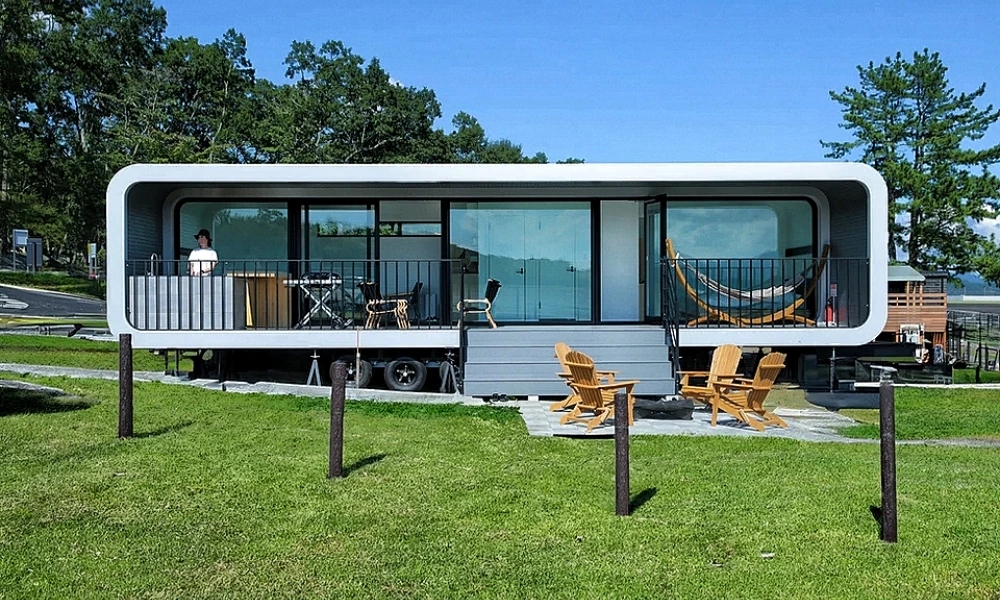
Pod Houses (especially Apple Cabin designs) offer a futuristic, high-design aesthetic—curved glass, aluminum shells, panoramic views.
Why this matters for ROI:
- Social media platforms favor visually striking content
- Unique stays often rank higher in search results
- Guests are willing to pay more for “Instagram” experiences
In many markets, hosts report that Pod Houses generate significantly higher click-through rates and bookings compared to traditional tiny homes.
Maintenance & Durability: The Hidden Cost That Eats Your Profit
Tiny House Challenges
- Built primarily with wood structures
- Requires ongoing maintenance:
- Anti-corrosion treatments
- Pest control
- Moisture protection
- Higher long-term upkeep costs
Affordable Pod House Advantage
- Aerospace-grade aluminum frame
- Corrosion-resistant materials
- Minimal structural degradation over time
- Lower annual operating costs
- Less downtime for repairs
- More consistent guest experience
Over a 3–5 year period, maintenance savings alone can significantly improve net ROI.
ROI Timeline: Faster Payback, Higher Yield
Let’s break down the financial logic investors care about most:
1. Pricing Potential
- Tiny Houses: Due to market saturation, pricing remains at standard levels.
- Pod Houses: Thanks to their unique settings and distinctive designs, they command premium pricing.
2. Occupancy Rate
- Tiny Houses: Situated within a highly competitive market segment.
- Pod Houses: Benefit from the advantages of product differentiation and strong social appeal.
3. Asset Depreciation
- Wooden structures tend to age relatively quickly.
- Units constructed from aerospace-grade aluminum offer greater longevity.
Key takeaway: Even if upfront costs are slightly higher, Pod Houses typically achieve faster payback and stronger long-term cash flow.
Strategic Direction: The Pod House as a Superior Asset Class
For Airbnb, resorts and real estate investors in 2026, the decision is increasingly clear:
Tiny Houses are safe and familiar
Pod Houses are distinctive, scalable, and future-proof
A Pod House—especially high-design models like the Apple Cabin—functions as more than just accommodation:
It becomes a marketing asset, brand differentiator, and revenue accelerator.
Final Verdict:
If your goal is to maximize:
- Visibility
- Pricing power
- Long-term ROI
Pod Houses represent the more resilient and profitable investment strategy.