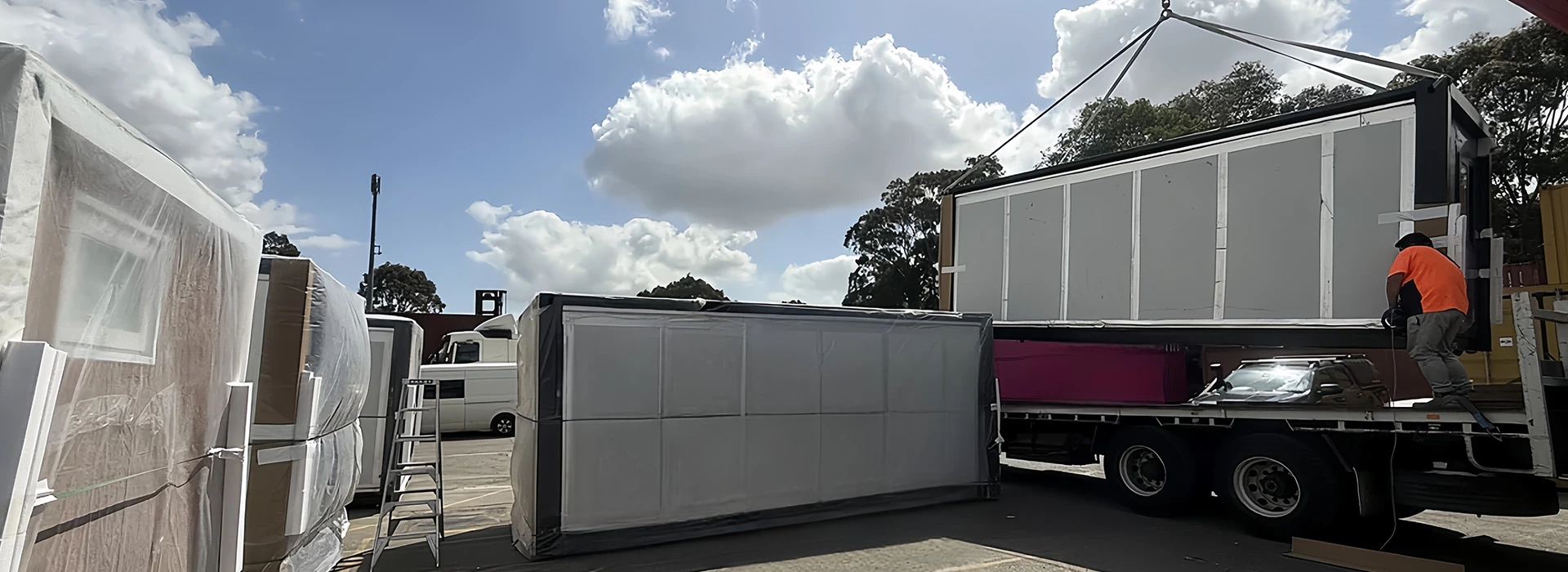
Prefab Apple Cabin Coffee Shop Delivered to California
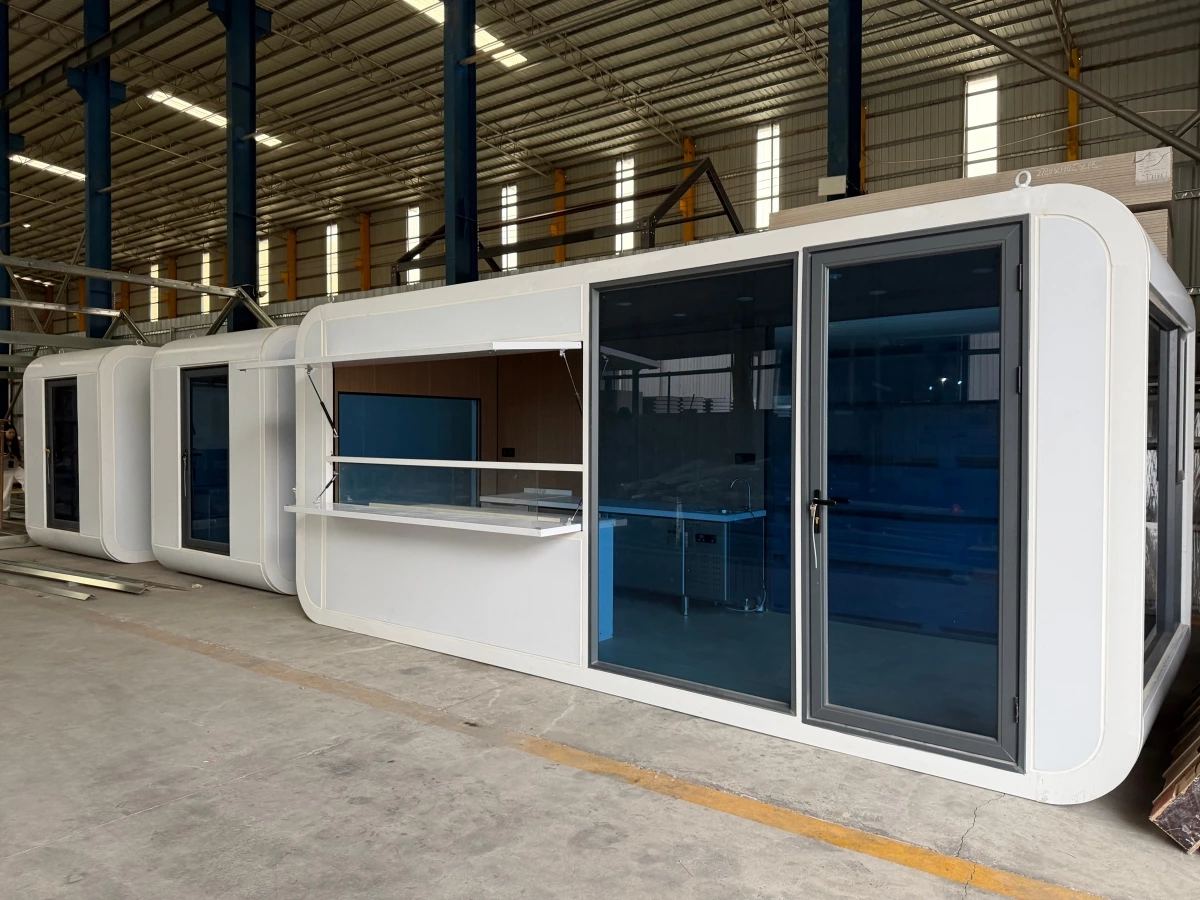
Prefab Apple Cabin Coffee Shop Delivered to California, USA
Opening a coffee shop in California the traditional way costs between $80,000 and $300,000 — and that's before accounting for 3–6 months of fit-out time during which you're paying rent but earning nothing.
This project took a different approach. A California-based client came to UVO looking for a faster, lower-cost way to launch a premium coffee concept: a fully fitted, ready-to-operate modular coffee space that could be installed and open for business in days — not months.
The result is UVO's 20ft Apple Cabin modular coffee shop — now operating in California as a standalone retail unit serving walk-up customers in a high-footfall commercial location.
Why a Prefab Coffee Shop Makes Sense in California's Market
The US specialty coffee market reached $111.5 billion in 2025 and is growing at nearly 10% annually. Demand for independent, experience-led coffee concepts is at a 14-year high — 46% of American adults consumed specialty coffee in the past day as of mid-2025. A factory-built Apple Cabin eliminates on-site construction entirely. The unit arrives from our factory fully fitted — structural shell, interior finishes, counter, plumbing, and electrical all pre-installed. On-site work is limited to utility connection and positioning.
Project Details: 20ft Apple Cabin Coffee Shop
Unit: 20ft Apple Cabin Modular Retail Pod Use: Standalone walk-up coffee shop Deployment: Commercial district, California, USA Usable floor area: Approximately 15 m² (160 sq ft) — optimised for single-operator or two-person coffee service
Exterior: Built to Stop Traffic
The Apple Cabin's exterior is designed with one commercial goal in mind: capturing attention and converting footfall into customers.
- Expansive glass curtain walls — floor-to-ceiling glazing on the service-facing sides creates full visual transparency, letting passersby see the coffee preparation in action. This is a proven conversion driver in high-footfall retail environments
- Sleek, fluid profile — the rounded cabin form stands apart from standard rectangular kiosks and box units; it reads as a destination, not a temporary structure
- Custom exterior branding — exterior colour, panel finish, signage zones, and lighting can all be specified to match your brand identity. The unit arrives branded and ready
- Compact footprint — the 20ft form factor fits standard commercial sidewalk plots, car park bays, business park plazas, and scenic area concession zones without requiring planning approval for large structures
- Full relocation capability — the modular steel frame allows the entire unit to be transported and redeployed if you change locations, expand to a new site, or test a seasonal market
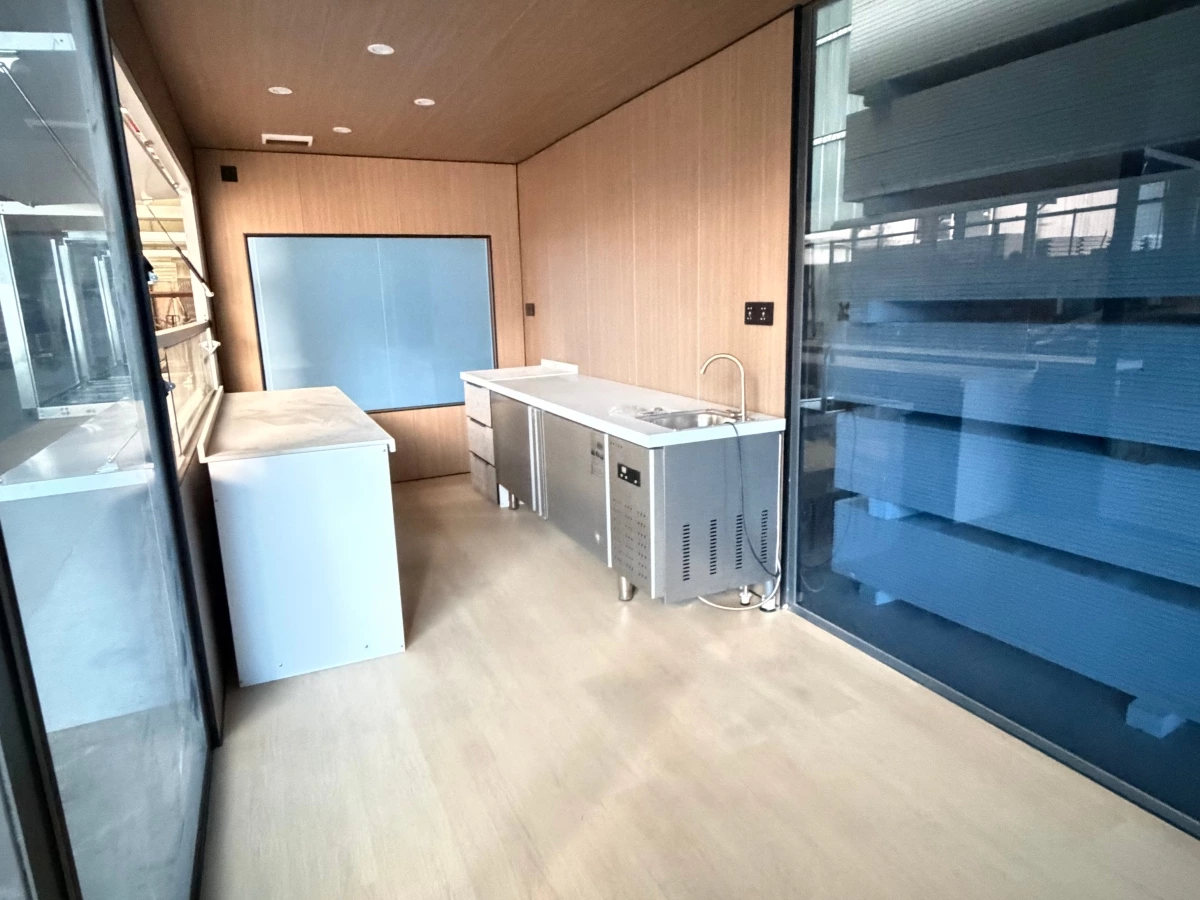
Interior: A Commercial Coffee Operation in 160 Sq Ft
Despite the compact footprint, the interior is configured as a fully functional commercial coffee preparation space — not a residential kitchen conversion.
Operations Zone
- Stainless steel countertop running the full length of the service wall
- Pre-plumbed sink with hot and cold water connections
- Under-counter storage for consumables, packaging, and cleaning supplies
- Dedicated equipment zones for espresso machine, grinder, and refrigeration unit
Equipment Pre-installation
- Power outlets positioned and rated for commercial espresso equipment (typically 220V/30A for dual-boiler machines)
- Equipment slots pre-configured for standard commercial dimensions — compatible with NSF-certified equipment required under California health code
- Drainage pre-routed for waste water connection on-site
Staff Workflow
- The elongated linear layout creates a single-direction workflow: receive order → prepare → serve
- No cross-traffic between preparation and service zones
- Sufficient width for one operator to work comfortably; two operators in peak periods
Atmosphere
- Wood-grain decorative panels on walls and ceiling — warm, café-quality finish that contrasts with the industrial steel exterior
- Large side glass panels bring natural light deep into the space, reducing daytime lighting costs
- LED lighting pre-installed throughout
California Compliance: What You Need to Know Before You Open
This is the section most suppliers skip. It is also the section most California coffee entrepreneurs search hardest for. Here is a clear breakdown.
Health Permit — Required Before You Serve a Single Cup
All food and beverage operations in California must obtain a health permit from their local county Environmental Health department before opening. There is no exemption for modular or prefab structures.
In Los Angeles County, a coffee kiosk is typically classified as a medium-risk Compact Mobile Food Operation (CMFO). Annual health permit fees for this classification run approximately $299/year — one of the most affordable commercial food licences in the state. The plan check process requires submission of your facility layout, equipment list, and water system details prior to approval.
What UVO provides to support your application:
- Pre-configured floor plan drawing showing equipment placement, sink locations, and service zones
- Plumbing schematic for water supply and waste connections
- Electrical layout diagram
Mobile vs. Permanent Classification
California distinguishes between Mobile Food Facilities (MFF) and Permanent Food Facilities — and the classification affects your permitting pathway.
Mobile classification (most common for Apple Cabin deployments):
- Unit remains on a trailer or can be relocated without permanent foundation work
- Requires a commissary agreement — a licensed commercial kitchen where food prep and unit cleaning are carried out
- Health permit issued by county Environmental Health; typically faster approval timeline
- More flexible for seasonal or multi-location operators
Permanent classification:
- Unit is fixed to a foundation and connected to permanent utilities
- Subject to full building permit process including planning approval
- Requires formal plan check with the local building department
- Longer approval timeline but no commissary requirement
UVO provides documentation to support either pathway, depending on your operational model.
NSF Equipment Compatibility
California requires all commercial food facility equipment to carry NSF (National Sanitation Foundation) certification. The Apple Cabin's pre-configured equipment slots are dimensioned and powered for standard NSF-certified commercial coffee equipment — meaning you can source your espresso machine, grinder, and refrigeration from any commercial equipment supplier without modification to the unit.
Building Permit
If you are installing the Apple Cabin as a permanent structure connected to site utilities, a building permit from your local municipality is required. UVO provides structural drawings and material specifications to support the application. For mobile deployments, no building permit is typically required — only the health permit from the county environmental health department.
From Factory to Open for Business: The Timeline
- Week 1–4: Factory production and customisation Your unit is built, fitted, and finished to your brand specification — exterior colour, signage zones, interior finish, and equipment layout confirmed during this phase.
- Week 4–7: Ocean freight to California The unit ships from our factory to the Port of Los Angeles or Port of Long Beach — the two largest container ports in North America. Transit time from factory to California port: approximately 18–25 days.
- Week 7–8: Customs clearance and inland delivery US customs clearance handled by your appointed freight forwarder. Inland transport by flatbed truck to your site.
- Day 1 on-site: Installation The unit is positioned, levelled, and anchored. For mobile classification: connect to a temporary water supply and generator or site power — ready to operate the same day. For permanent installation: utility connections completed by your licensed local contractor, typically 1–2 additional days.
Frequently Asked Questions
Do I need a permit to operate a prefab coffee shop in California?
Yes. All food and beverage operations in California require a health permit from the local county Environmental Health department, regardless of the structure type. UVO provides the facility layout drawings and equipment documentation needed to support your permit application.
How does the Apple Cabin compare in cost to opening a traditional coffee shop in California?
A traditional café fit-out in California typically costs $80,000–$300,000 and takes 3–6 months before you can open. The Apple Cabin unit arrives factory-fitted and can be operational within days of delivery, with significantly lower total capital requirements.
Can it be configured for drive-thru or walk-up window service?
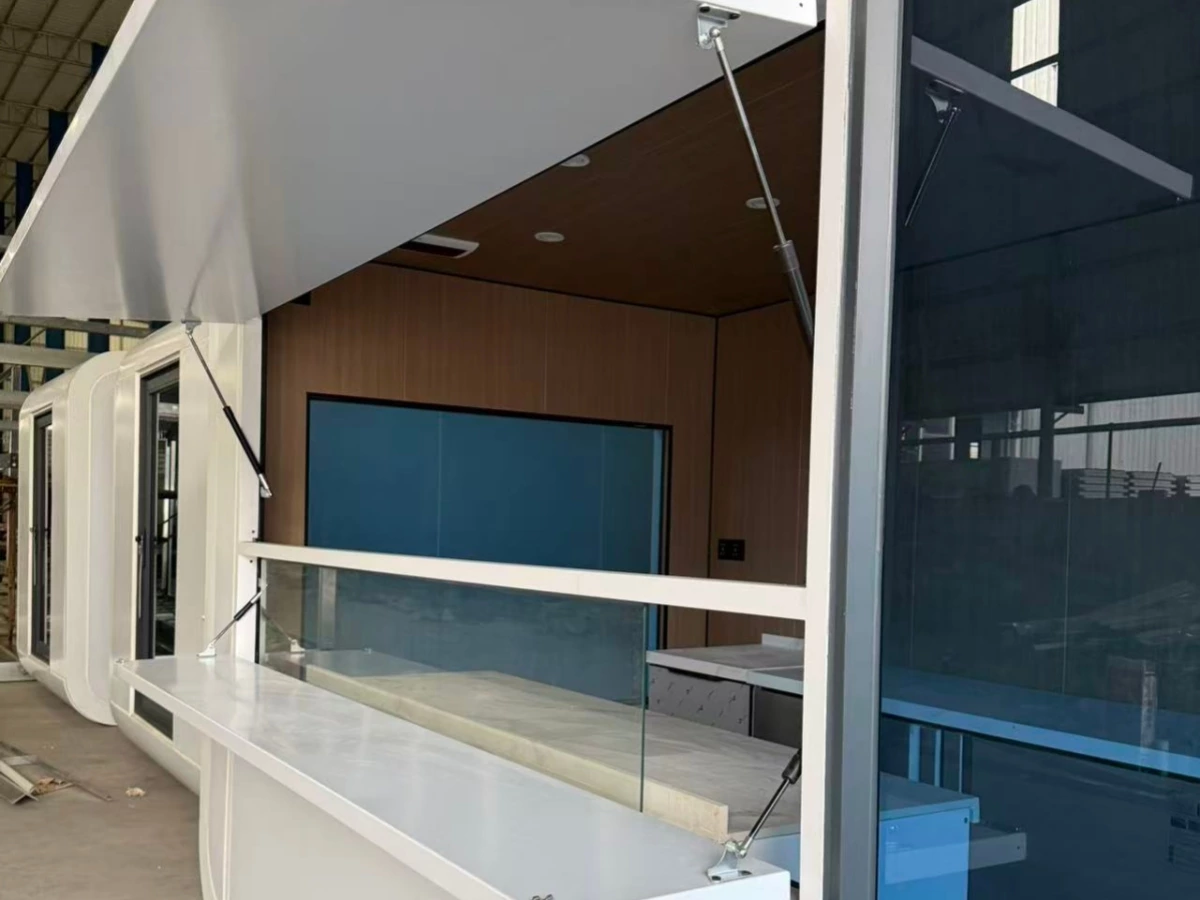
Yes. The service window orientation and counter height can be specified during the design phase to suit walk-up, drive-thru, or dual-service configurations.
How long does delivery from China to California take?
Ocean freight from our factory to the Port of Los Angeles or Long Beach takes approximately 18–25 days. Total factory-to-delivery timeline is typically 55–65 days from order confirmation.
Can the exterior be branded with my logo and colours?
Yes. Exterior colour, panel finish, signage panels, and lighting are all customisable. The unit arrives at your site ready to trade under your brand.
Can the unit be moved if I change location?
Yes. The modular steel frame is designed for full relocation. The unit can be loaded onto a flatbed truck and transported to a new site without structural modification.
Is the interior equipment included?
The unit ships with the counter, plumbing, electrical pre-wiring, and interior fit-out completed. Commercial coffee equipment (espresso machine, grinder, refrigeration) is sourced separately by the operator to match your preferred brands and NSF-certification requirements.